


Are you struggling with erection quality, inconsistent erections, or difficulty staying hard during sex, and wondering whether what you're experiencing is erectile dysfunction or performance anxiety?
These two conditions are far more intertwined than most people realize, and understanding the difference is the first step toward rebuilding confidence and genuinely supporting your sexual health.
What Is Erectile Dysfunction?
Erectile dysfunction refers to the ongoing inability to get or maintain an erection firm enough for satisfying sexual activity.
Occasional difficulties happen to almost every man at some point—during stressful periods, after poor sleep, or when carrying emotional weight. But when the issue becomes frequent or persistent, it often points toward something deeper.
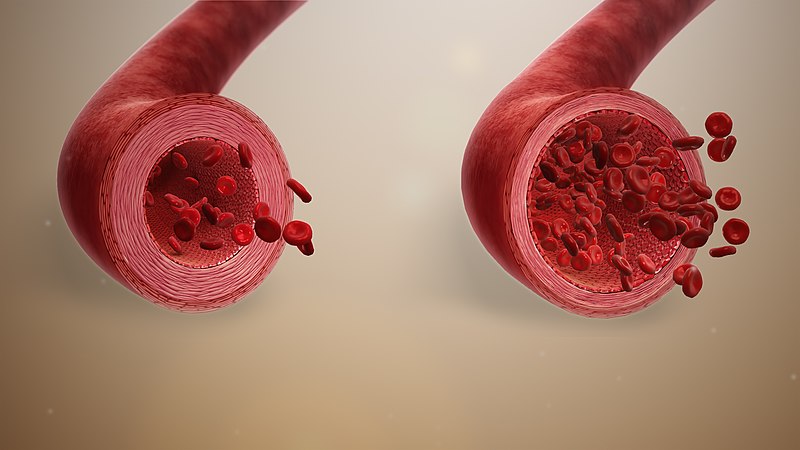
Physically, erections depend on a precisely coordinated process. Your brain receives arousal signals, your nervous system releases nitric oxide, blood vessels relax and expand, and blood flows into the erectile chambers while pelvic floor muscles help trap that blood to maintain firmness. When any part of that system is under strain, erections become weaker, slower, or inconsistent.
Common physical contributors include:
- Reduced circulation and high blood pressure
- Diabetes or blood sugar imbalances
- Low testosterone
- Chronic stress and poor sleep
- Smoking, excessive alcohol, obesity, or inactivity
Because penile arteries are smaller than other arteries in the body, circulation changes often appear in erection quality before they show up anywhere else—making erection health a meaningful window into your cardiovascular wellbeing, not just your sex life. But not every erection difficulty has a physical root. Sometimes the source is entirely in the mind.
What Is Performance Anxiety?
Performance anxiety happens when stress, fear, or self-monitoring interfere with your body's natural arousal process. You may feel genuinely attracted to your partner and physically capable of sex, but the moment intimacy begins, your mind shifts into pressure mode: What if I lose my erection? What if I disappoint her? What if it happens again?
Your nervous system reads those thoughts as danger. Instead of entering the relaxed, parasympathetic state that arousal requires, your body activates fight-or-flight. Cortisol rises and directly inhibits the nitric oxide pathway required for an erection, while blood gets redirected away from the penis. Your body shuts down the exact response you're trying so hard to create.
It often begins after a single experience:
- Losing an erection unexpectedly
- Feeling distracted or disconnected during sex
- Ejaculating sooner than expected
- Carrying too much stress or emotional pressure into an intimate moment
One difficult experience creates anticipation. Anticipation creates tension. Tension disrupts blood flow. And gradually, you stop trusting your own body. Understanding which of these two dynamics is at play—or whether both are—is where real clarity begins.
The Clearest Way to Tell Them Apart
The most reliable distinction comes down to consistency—whether difficulties vary by situation or remain present across all contexts.
Signs it may be performance anxiety:
- Morning erections are still present
- Erections work normally during solo activity
- Erections fade specifically during partnered sex or when performance feels like the goal
- The problem started suddenly after a stressful or emotional experience
- Erections return when pressure is removed
Signs physical ED may be involved:
- Morning erections have become less frequent or weaker
- Erection quality has dropped across all situations, not just under pressure
- Firmness has declined gradually over months or years
- Low libido or fatigue accompanies the changes
- You have existing health conditions like high blood pressure, diabetes, or low testosterone
In reality, most men find themselves somewhere in the middle. A physical change creates an emotional response, and an emotional response creates a physical one. The two feed each other quietly, which is why stress—more than almost anything else—has the power to keep the cycle going.
How Chronic Stress Changes Your Erections
Your body does not separate emotional pressure from physical threat. Whether you're overwhelmed at work, carrying relationship tension, or silently pressuring yourself in the bedroom, the nervous system responds the same way.
When stress becomes chronic:
- Cortisol rises and testosterone drops
- Blood vessels tighten
- Nitric oxide production decreases
- Sleep quality suffers
- Libido fades—even when desire is still present mentally
This is why erections often improve during holidays, genuinely connected moments, or periods of real rest. A calm, regulated nervous system is not optional for healthy erections—it is the foundation that arousal, circulation, and relaxation are built on. Which is also why shame, one of the most common responses to erection difficulties, can quietly make everything harder.
Why Shame Makes Everything Worse
When erection difficulties arise, the instinct is often to interpret them as personal failure—as evidence that something is fundamentally broken. That interpretation creates shame, and shame feeds anxiety, withdrawal, and nervous-system tension, all of which make erections less reliable.
The cycle becomes self-sustaining: stress affects erections, confidence drops, anxiety increases, erections weaken further.
Breaking it requires a different frame. Your erection is not a machine operating independently of your health, emotions, or nervous system. It is a reflection of your overall state. Rather than reading erection changes as failure, read them as feedback—your body communicating that something needs support. And once you shift that perspective, the path forward becomes much clearer.
How to Rebuild Erection Confidence
The most effective approach supports the whole system, not just the symptom.
Move your body regularly. Exercise and dietary changes support blood vessel flexibility and nitric oxide production in ways that directly benefit erection quality over time. Even consistent walking makes a meaningful difference.
Train your pelvic floor. The pelvic floor muscles help maintain erection firmness by trapping blood in the erectile chambers. Consistent kegel work has been shown to improve erection quality and ejaculatory control. This article on pelvic floor exercises for erection health on the Bathmate blog is a practical place to start.
Regulate your nervous system. Consistent sleep, reduced alcohol, deep breathing, and honest communication with your partner all create the conditions that allow arousal to happen naturally. Couples who communicate openly about sexual difficulties report significantly higher satisfaction—both sexually and relationally. Breaking the silence is often part of what resolves the problem.
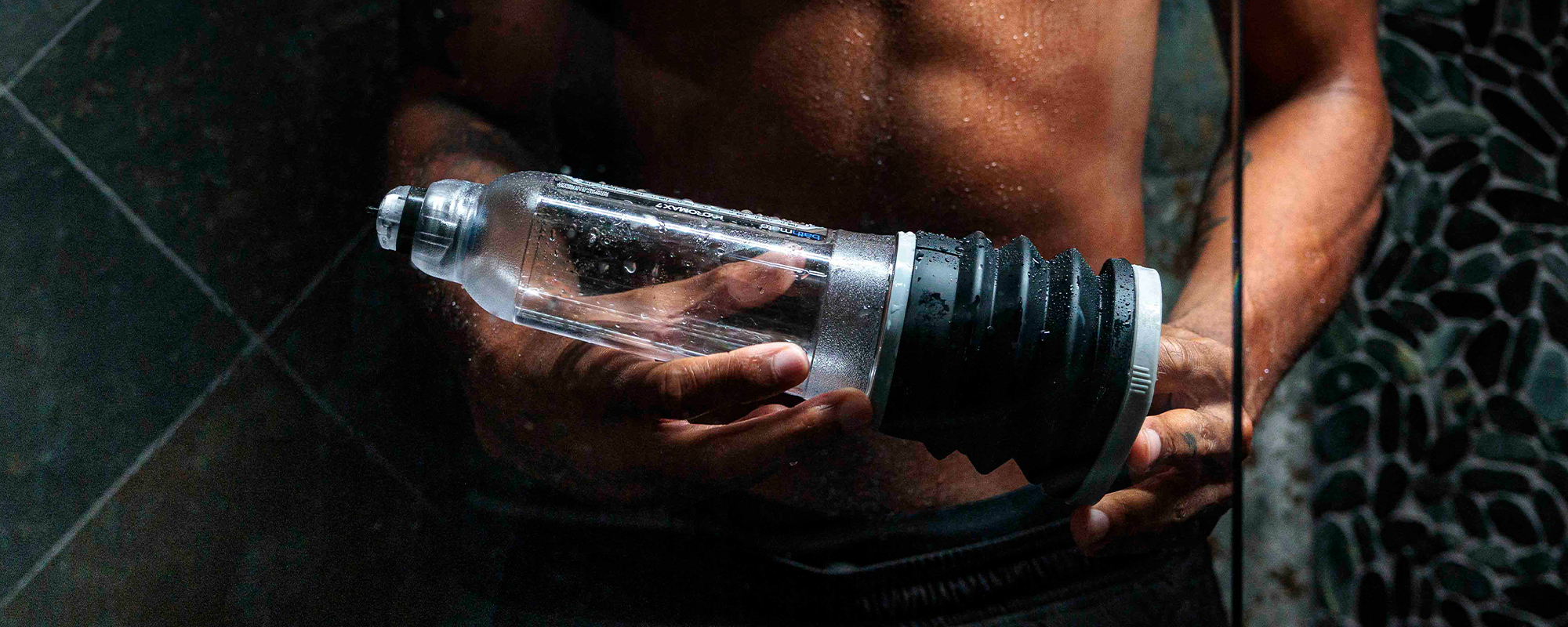
Support your circulation directly. For men who want to actively rebuild penile blood flow and body confidence, the Bathmate hydropump is a genuinely useful tool. It uses gentle water-based vacuum pressure to encourage blood flow into the erectile tissues, supporting fuller, more responsive erections with consistent use. Vacuum-based devices are recognised as a legitimate approach to erectile health management, and what makes Bathmate particularly valuable for men navigating performance anxiety is the feedback it provides—seeing and feeling your body respond begins to rebuild the body trust that anxiety erodes. Used alongside movement, better sleep, and stress reduction, it becomes part of reconnecting with your body rather than fighting against it. If erection changes have been persisting for a while, though, it is also worth getting a professional opinion.
When to See a Doctor
If erection changes have persisted for several months, speaking to a healthcare provider is worth doing. They can assess:
- Cardiovascular health
- Testosterone levels
- Blood sugar and diabetes risk
- Blood pressure
- Sleep quality and hormone balance
The connection between erection health and cardiovascular function means that identifying one often creates the opportunity to address the other before more serious symptoms develop. Getting checked is one of the most direct things you can do for your long-term wellbeing—and it is also a reminder that your body is always trying to give you useful information, even when it feels like the opposite.
Your Body Is Giving You Information
Whether you're dealing with erectile dysfunction, performance anxiety, or both, your body is not betraying you. It's communicating. Sometimes the message is physical—your circulation, hormones, or recovery need support. Sometimes it's emotional—your nervous system is overloaded or cut off from safety and pleasure. Most often, it's both, quietly layered on top of each other.
When you stop treating your erection like a pass-or-fail test and start responding to what your body is actually asking for, things shift. Over time, that shift becomes more than stronger erections. It becomes a more grounded, trusting relationship with your own body—and the confidence to stay fully present in the moments that matter most.


Hakima Tantrika
Learn MoreHakima Tantrika is a sex educator, intimacy coach, and copywriter who contributes regularly to Bathmate’s blog. Trained in classical Tantra, she helps individuals cultivate deeper self-awareness, authentic connection, and embodied confidence. On Substack, she leads an engaged community where she shares insights on sexuality, relationships, and personal growth, blending education with honest storytelling. Through her clear, thoughtful approach and distinctive voice, Hakima brings depth and integrity to modern conversations about intimacy, pleasure, and self-understanding.
Share:
Why Every Man Needs a Sexual Fitness Plan
Penis Size Comparison, How 4, 5, 8 and 9 Inches Stack Up