


Waarom heeft weefselelasticiteit invloed op de grootte, en waarom zien sommige erecties er voller, steviger en meer uitgezet uit dan andere? Het antwoord ligt in weefselelasticiteit: het vermogen van het penisweefsel om tijdens opwinding te rekken, uit te zetten en bloed effectief vast te houden. Als de elasticiteit sterk is, bereiken erecties hun natuurlijke potentieel. Neemt de elasticiteit af, dan nemen vaak ook grootte en stevigheid af.
De meeste gesprekken over grootte gaan over genetica of het aantal centimeters. Maar de zichtbare grootte van je erectie draait minder om wat je hebt meegekregen en meer om hoe goed je erectieweefsel onder druk kan uitzetten. Elasticiteit bepaalt hoe volledig het weefsel zich kan vullen.
Het is belangrijk te begrijpen hoe je lichaam werkt, hoe het in de loop van de tijd verandert en hoe je het kunt ondersteunen, zodat je erecties sterk, snel reagerend en vol vertrouwen van jou zijn.
Laten we daarom bekijken waarom weefselelasticiteit de erectiegrootte beïnvloedt.
Wat is weefselelasticiteit nu precies?
Penisweefsel bestaat hoofdzakelijk uit gladde spiervezels, bindweefsel (waaronder collageen en elastine) en vaatholten die zich tijdens opwinding met bloed vullen. De twee hoofdkamers, de corpora cavernosa, werken als uitzetbare cilinders. Wanneer stikstofmonoxide de gladde spier laat ontspannen, stroomt er bloed binnen en rekken deze kamers uit.
Weefselelasticiteit verwijst naar hoe goed die kamers kunnen uitzetten en weer terugveren.
Als de elasticiteit gezond is:
- Bloed stroomt gemakkelijk binnen
- Weefsel rekt comfortabel
- De erectie bereikt volle omtrek en stevigheid
- Bloed blijft effectief opgesloten
Als de elasticiteit verminderd is:
- Uitzetten voelt beperkt
- Erecties lijken dunner of korter
- Stevigheid neemt sneller af
- Herstel tussen erecties verloopt trager
Onderzoek laat zien dat erectiekwaliteit nauw samenhangt met endotheelfunctie en de gezondheid van glad spierweefsel. Wanneer vaatweefsels hun flexibiliteit verliezen, neemt de erectiesterkte af.
Waarom elastisch weefsel een vollere uitstraling geeft
Veel mannen gaan ervan uit dat grootte statisch is. In werkelijkheid is erectiegrootte dynamisch. Het verschil tussen een deels gevulde erectie en een volledig doorbloede kan zichtbaar groot zijn.
Zie erectieweefsel als een kwaliteitsballon. Als het materiaal flexibel is, zet het gelijkmatig en volledig uit. Als het stijver wordt, weerstaat het druk en vult het ongelijkmatig.
Minder elasticiteit kan:
- Uitbreiding in omtrek beperken
- De zichtbare lengte verminderen (door onvolledige vulling)
- Zorgen voor een zachtere schacht ondanks opwinding
- Erecties minder compact doen aanvoelen
De penis bevat elastische vezels die zijn ontworpen om zich levenslang herhaaldelijk te strekken. Die vezels hebben echter zuurstofrijk bloed en regelmatige uitzetting nodig om hun integriteit te behouden. Zonder consistente doorbloeding en ontspanning kan collageen verstijven en kan de elasticiteit in de loop van de tijd afnemen.
Dat is een van de redenen waarom regelmatige erecties, ook nachtelijke, biologisch belangrijk zijn. Ze voorzien het weefsel van zuurstof en behouden de flexibiliteit.
Wanneer spontane erecties minder vaak voorkomen door stress, veroudering, lage testosteronspiegels of leefstijlfactoren, kan het weefsel geleidelijk minder responsief worden.
De rol van doorbloeding bij het behouden van elasticiteit
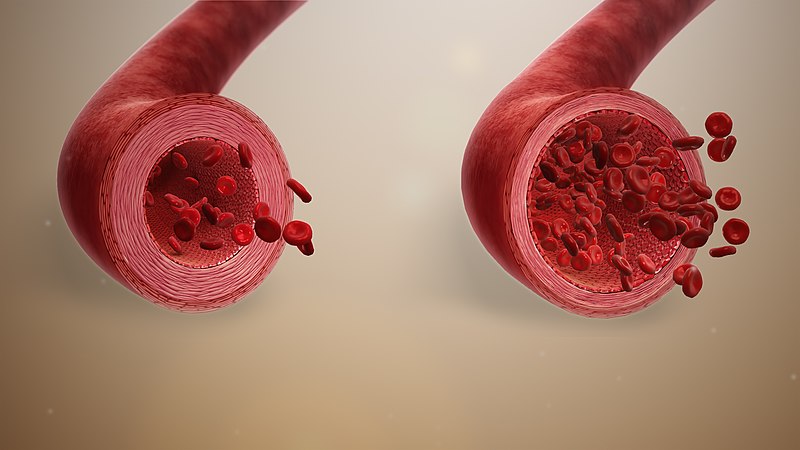
Elasticiteit hangt af van de circulatie. Bloed voedt weefsel tot op celniveau.
Zuurstofrijk bloed ondersteunt:
- De integriteit van glad spierweefsel
- De aanmaak van stikstofmonoxide
- De balans van collageen
- Cellulaire herstelprocessen
Verminderde doorbloeding leidt tot microveranderingen in de weefselstructuur. Na verloop van tijd kan dit resulteren in stijfheid, minder uitzetting en minder efficiënt vasthouden van bloed.
Cardiovasculaire gezondheid beïnvloedt de erectiele uitzetting direct. Onderzoek toont consequent aan dat erectiestoornissen vaak voorafgaan aan hart- en vaatziekten, omdat penisslagaders kleiner zijn en gevoeliger voor verminderde doorbloeding.
Daalt de doorbloeding, dan daalt de elasticiteit. Daalt de elasticiteit, dan neemt de zichtbare grootte af.
Stress en elasticiteit: de link met het zenuwstelsel
Weefselelasticiteit is niet puur mechanisch. Het is ook neurologisch.
Als je ontspannen bent en je veilig voelt, activeert je parasympathische zenuwstelsel. Bloedvaten verwijden. Gladde spieren ontspannen. Uitzetting gebeurt vanzelf.
Wanneer je gestrest bent, activeert je sympathische systeem. Bloedvaten vernauwen. Gladde spieren spannen aan. Uitzetting is beperkt.
Chronische stress houdt je lichaam in een laag niveau van contractie. Na verloop van tijd vermindert die spanning de vasculaire responsiviteit en wordt het moeilijker voor het weefsel om volledig te rekken.
Zelfs als het verlangen er is, kan het lichaam uitzetting tegenwerken wanneer het druk ervaart.
Daarom gaat elasticiteit niet alleen over het trainen van weefsel; het gaat ook om het kalmeren van het zenuwstelsel. Diep ademhalen, regelmatig bewegen en stress verminderen zijn geen vage wellnessideeën. Ze beïnvloeden direct hoeveel je erectie kan uitzetten.
De invloed van testosteron op weefselgezondheid
Testosteron ondersteunt de productie van stikstofmonoxide, de werking van glad spierweefsel en de algehele weefselrespons. Als testosteronniveaus dalen, voelen erecties vaak minder vol en minder stabiel.
Zelfs gematigde dalingen van testosteron kunnen de erectiekwaliteit beïnvloeden door verminderde stikstofmonoxide-signaaloverdracht. Testosteron beïnvloedt ook de collageenbalans en weefselherstel. Lage niveaus kunnen op termijn bijdragen aan verminderde elasticiteit.
Testosteron op natuurlijke wijze ondersteunen met krachttraining, slaap, voedingsrijke voeding en stressregulatie versterkt de weefselintegriteit van binnenuit.
Elasticiteit is tegelijk hormonaal, vasculair en neurologisch.
Bekkenbodemondersteuning: de expansie vasthouden
Elasticiteit bepaalt hoeveel bloed kan binnenstromen. Kracht van de bekkenbodem bepaalt hoe goed dat bloed blijft. De bulbo- en ischiocavernosusspieren drukken de basis van de penis samen tijdens een erectie. Als ze sterk en gecoördineerd zijn, helpen ze bloed vast te houden en de volheid te behouden.
Als deze spieren zwak zijn, ontsnapt bloed gemakkelijker en kan zelfs elastisch weefsel geen volledige grootte behouden.
Elasticiteit en spiersupport werken samen. Uitzetten zonder vasthouden is onvolledig.
Hoe weefsel minder elastisch wordt
Verschillende factoren verminderen de elasticiteit in de loop van de tijd:
- Chronische stress en verhoogd cortisol
- Een zittende leefstijl en verminderde doorbloeding
- Roken en endotheelbeschadiging
- Slechte slaap die hormonale ritmes verstoort
- Infrequente erecties
- Ongecontroleerde diabetes of hypertensie
Wat deze factoren gemeen hebben, is hun impact op bloedvaten en de spiertonus van gladde spieren. Chronische stress houdt het lichaam in een milde maar aanhoudende staat van contractie. Na verloop van tijd beperkt die spanning hoe volledig vaatweefsel kan ontspannen en uitzetten. Een zittende leefstijl verergert dit door de doorbloeding in het bekken te vertragen, waardoor de regelmatige zuurstoftoevoer afneemt waar elastische vezels op rekenen om soepel te blijven.
Roken en metabole aandoeningen zoals diabetes of hypertensie beschadigen het endotheel, de kwetsbare binnenbekleding van bloedvaten die verantwoordelijk is voor het signaal tot verwijding. Wanneer de endotheelsignalering verzwakt, daalt de productie van stikstofmonoxide en wordt uitzetting minder efficiënt. Slechte slaap verstoort bovendien de hormonale balans, waardoor weefselherstel en -hernieuwing op celniveau worden belemmerd.
De verandering is zelden meteen dramatisch. Vaker toont het zich subtiel: iets minder volheid, minder stevigheid bij hetzelfde niveau van opwinding of trager herstel tussen erecties. Deze verschuivingen kunnen lang optreden voordat klinische erectiestoornissen zich ontwikkelen.
Bemoedigend is dat erectieweefsel zeer adaptief is. Wanneer de doorbloeding verbetert, stress afneemt en uitzetting consistenter wordt, kan de responsiviteit van glad spierweefsel herstellen. Elastische vezels reageren op regelmatige zuurstoftoevoer en zachte rek. Met consistente ondersteuning kan weefsel weer flexibiliteit en kracht opbouwen, wat na verloop van tijd zowel de functie als het vertrouwen versterkt.
Elasticiteit trainen vraagt om consistentie
Elastisch weefsel past zich aan regelmatige, gecontroleerde uitzetting aan. Net als spierweefsel reageert het beter op gestage prikkeling dan op brute kracht.
Cardiotraining verbetert de flexibiliteit van bloedvaten. Krachttraining ondersteunt de hormonale balans. Stressvermindering laat vaten volledig openen. Deze gewoonten vormen de basis voor gezonde uitzetting. Gerichte vasculaire training voegt daar een extra laag aan toe.
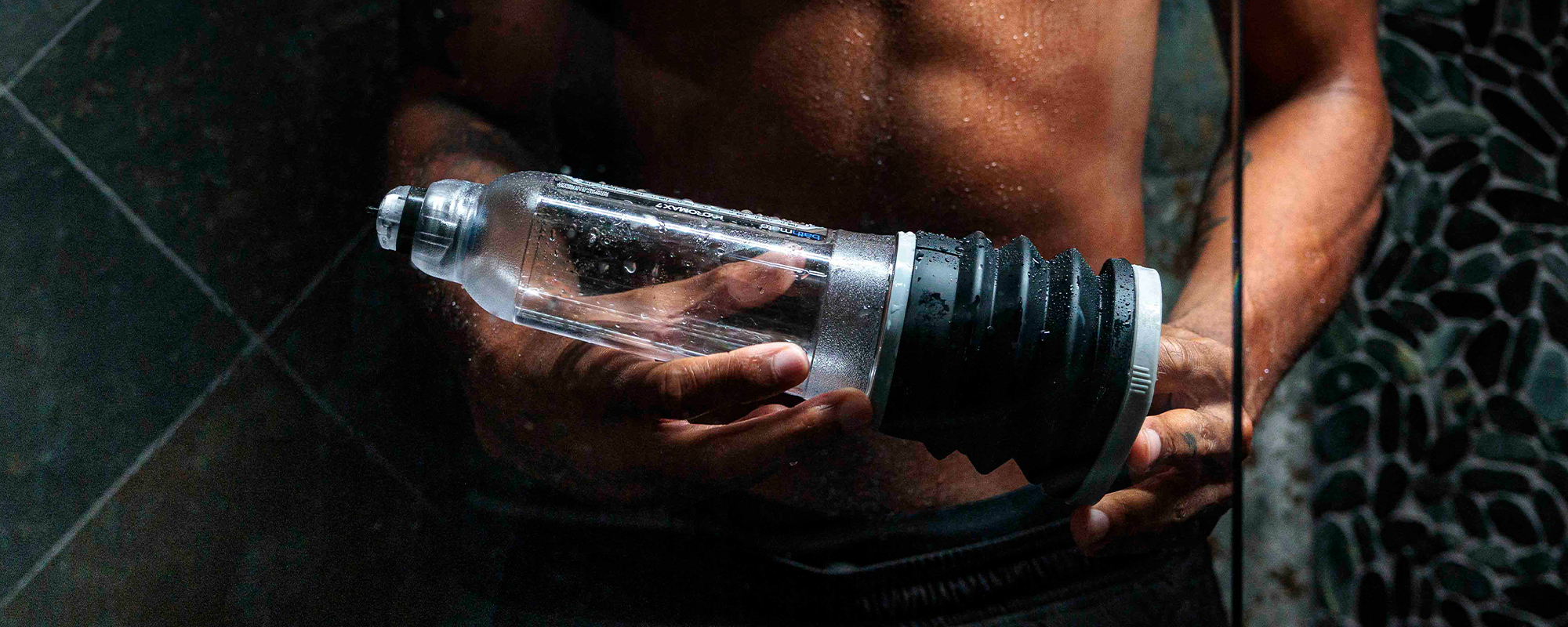
Een hydropomp zoals Bathmate gebruikt watergebaseerde vacuümdruk om bloed zachtjes het erectieweefsel in te trekken. Het warme water bevordert natuurlijke vasodilatatie, terwijl de gecontroleerde zuigkracht het bloedvolume binnen de corpora cavernosa vergroot. Deze herhaalde ‘vullen-en-loslaten’-cyclus helpt de responsiviteit van glad spierweefsel te onderhouden en ondersteunt de balans tussen structurele stevigheid en flexibiliteit.
Na verloop van tijd stimuleert consistente uitzetting een betere zuurstoftoevoer en houdt het weefsel geconditioneerd om comfortabel te rekken. Gecombineerd met rustige ademhaling en ontspanning ondersteunt het ook een kalm zenuwstelsel, essentieel voor volledige uitzetting.
De sleutel is consistentie, niet intensiteit. Vijf tot tien minuten, meerdere keren per week, ondersteunt het rek-en-vulpatroon waar gezond elastisch weefsel op berust.
Verder dan uitzetting: echte seksuele veerkracht
Uiteindelijk draait weefselelasticiteit om veerkracht. Het laat zien hoe goed je lichaam zich aanpast aan stimulatie, van rust naar opwinding schakelt en uitzetting kan vasthouden zonder spanning. Als die aanpasbaarheid sterk is, voelen erecties betrouwbaarder. En betrouwbaarheid brengt rust.
Wanneer doorbloeding, ademhaling en regulatie van het zenuwstelsel samenwerken, voelt je erectie minder als een vraagteken en meer als een stabiele constante.
Die stabiliteit verandert hoe je je voelt. Je blijft gegrond in plaats van gespannen. Je blijft verbonden in plaats van je prestaties te monitoren. Je lichaam beweegt met responsiviteit in plaats van weerstand.
Elasticiteit gaat uiteindelijk niet alleen over grootte, maar over souplesse en controle. Het gaat om een systeem dat volledig kan uitzetten wanneer dat nodig is. Ondersteun die basis, en wat volgt is niet alleen sterkere erecties, maar ook meer vertrouwen in het vermogen van je lichaam om met zekerheid te reageren.


Hakima Tantrika
Learn MoreHakima Tantrika is a sex educator, intimacy coach, and copywriter who contributes regularly to Bathmate’s blog. Trained in classical Tantra, she helps individuals cultivate deeper self-awareness, authentic connection, and embodied confidence. On Substack, she leads an engaged community where she shares insights on sexuality, relationships, and personal growth, blending education with honest storytelling. Through her clear, thoughtful approach and distinctive voice, Hakima brings depth and integrity to modern conversations about intimacy, pleasure, and self-understanding.
Share:
6 eenvoudige dagelijkse oefeningen voor drukke mannen voor sterkere erecties
Hydropomp cadeau voor seksuele wellness – voor jullie allebei