


Have you noticed that your erections are less automatic, your energy takes longer to return, or your confidence around sex isn’t quite as steady as it used to be? Sexual performance in your 40s changes because your body is changing, but that doesn’t mean your best years are behind you. In fact, your 40s can become the decade where you rebuild stronger erections, deeper confidence, and more connected intimacy by understanding what your body actually needs.
Your erection is not separate from the rest of your health. It reflects your blood flow, stress levels, testosterone balance, sleep quality, and emotional state. When those systems become overloaded, sexual performance often becomes the first place you notice it.
The good news is that the body is remarkably responsive when you start supporting it consistently. Erections can strengthen. Libido can return. Confidence can rebuild. You do not need to chase unrealistic expectations or force your body into constant performance mode. You need a system that restores vitality from the inside out.
Why Sexual Performance Changes in Your 40s
By the time you reach your 40s, you are often carrying far more stress and physical demand than you did in your 20s or 30s. Career pressure, financial responsibilities, parenting, lack of sleep, and chronic stress begin stacking on top of each other. At the same time, the body becomes less forgiving toward neglect.
Testosterone naturally declines gradually with age, but lifestyle factors often accelerate that process. Poor sleep, excess alcohol, sedentary habits, chronic stress, and low physical activity can all suppress hormone production and weaken circulation.
The nervous system also changes. When stress becomes chronic, your body spends more time in a “fight or flight” state. That stress response increases cortisol, constricts blood vessels, and redirects blood flow away from your sexual organs. Even if you mentally want intimacy, your body may still be operating in survival mode.
This is why you may experience inconsistent erections during periods of stress. One difficult experience can then create performance anxiety, which compounds the issue. Your mind begins monitoring every sensation instead of relaxing into arousal.
Research consistently shows that erectile function is closely tied to cardiovascular health and nervous system regulation. The penis relies on healthy blood vessels and nitric oxide release to create strong erections. Reduced circulation, elevated stress hormones, and inflammation all interfere with that process.
The important thing to understand is this: your body is adapting to the conditions you’ve been living under. When you improve those conditions, your sexual performance can improve too.
The 40s Reset Starts With Blood Flow
Every erection is fundamentally a blood-flow event.
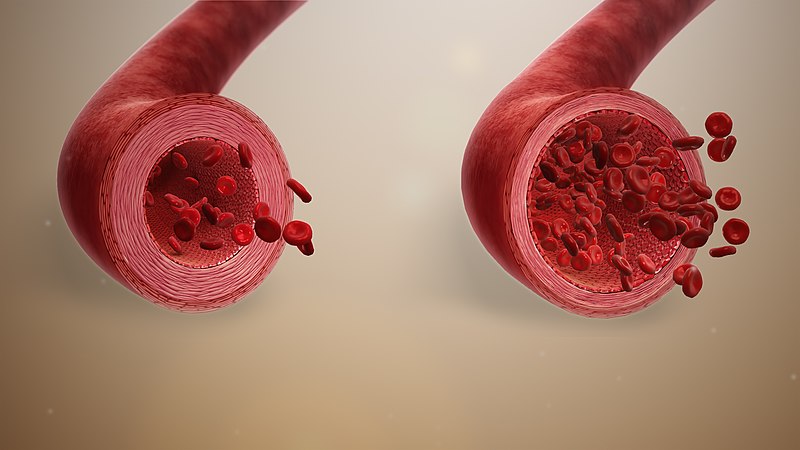
When arousal begins, the brain releases signals that trigger nitric oxide production. That nitric oxide relaxes blood vessels and allows oxygen-rich blood to flow into erectile tissue. If circulation is strong and the nervous system feels safe, erections become fuller and more reliable.
When circulation is compromised, erections often become softer, less stable, or more difficult to maintain.
This is why cardiovascular health matters so much in your 40s. Long hours sitting at a desk, reduced movement, poor nutrition, smoking, excess alcohol, and stress all affect endothelial function, the health of your blood vessels.
Improving circulation is one of the fastest ways to improve erection quality naturally.
Daily walking, resistance training, interval cardio, stretching, and pelvic floor work all help improve blood flow. Research has shown that even moderate cardiovascular exercise can significantly improve erectile function.
Simple habits create real change:
- Walking 30 minutes daily improves circulation and nitric oxide production
- Resistance training boosts testosterone and vascular responsiveness
- Deep breathing lowers stress and supports blood vessel relaxation
- Better hydration improves oxygen delivery throughout the body
- Sleep restores testosterone and nervous system recovery
This is where you begin noticing a major shift. Once circulation improves, erections often feel more responsive again. Confidence starts returning naturally because your body feels more reliable.
Stress Is Quietly Sabotaging Your Erections
You may assume erection changes are purely physical, but stress is one of the biggest hidden drivers behind declining sexual performance.
Your body cannot fully relax into arousal when it feels unsafe, overloaded, or constantly pressured.
When cortisol remains elevated for long periods:
- Testosterone production drops
- Blood vessels constrict
- Nitric oxide decreases
- Sleep quality suffers
- Libido becomes less consistent
- Anxiety around performance increases
The result is often frustrating: you may still feel attracted to your partner, but your body struggles to respond consistently.
This creates a cycle you may already recognize. Stress affects erection quality. The erection issue creates more stress. That stress creates even more pressure during intimacy.
Breaking that cycle starts with nervous system regulation. Your body responds best to safety, not force. That means supporting your nervous system daily through:
- Better sleep habits
- Regular movement
- Deep breathing exercises
- Time away from screens and overstimulation
- Reducing alcohol consumption
- Open communication with your partner
- Mindfulness or meditation practices
Even five minutes of slow diaphragmatic breathing can shift your body out of fight-or-flight mode and improve circulation.
You may notice that when you stop obsessing over “performing” and start focusing on connection, sensation, and presence, erections begin improving naturally.
Testosterone in Your 40s: What Actually Matters
Testosterone is still important in your 40s, but the conversation around it is often oversimplified.
Healthy testosterone supports libido, erection quality, motivation, recovery, and energy. It also plays a role in nitric oxide production, which directly affects blood flow.
But testosterone does not operate in isolation. Your hormone levels are deeply connected to sleep, stress, body fat, exercise, and overall health.
Instead of immediately assuming you need extreme interventions, start with the foundational habits that naturally support hormone production.
1. Strength Training
Resistance training remains one of the most effective natural ways to support testosterone.
Compound lifts like squats, deadlifts, presses, and rows activate large muscle groups and stimulate anabolic hormones. You do not need to train like a bodybuilder. Consistent, moderate strength work two to four times per week can create noticeable changes in energy and confidence.
2. Sleep Recovery
Most testosterone release occurs during deep sleep.
If you consistently sleep fewer than six hours, you are more likely to experience lower testosterone, reduced libido, and weaker erections. Prioritizing seven to nine hours of quality sleep can dramatically improve hormonal balance.
3. Nutrition
Your hormones require raw materials to function properly.
Focus on:
- Healthy fats from olive oil, eggs, avocados, nuts, and fatty fish
- Zinc-rich foods like beef, pumpkin seeds, and oysters
- Magnesium from leafy greens and dark chocolate
- Protein for muscle repair and hormone support
- Hydration for circulation and energy
4. Body Composition
Excess abdominal fat increases inflammation and negatively affects testosterone production. Improving body composition through movement and nutrition often improves libido and erectile function at the same time.
Your 40s are not about chasing perfection. They are about restoring balance.
5. Use A Bathmate Hydropump
As circulation, stress management, and hormonal support improve, you may also benefit from adding targeted erection training into your routine.
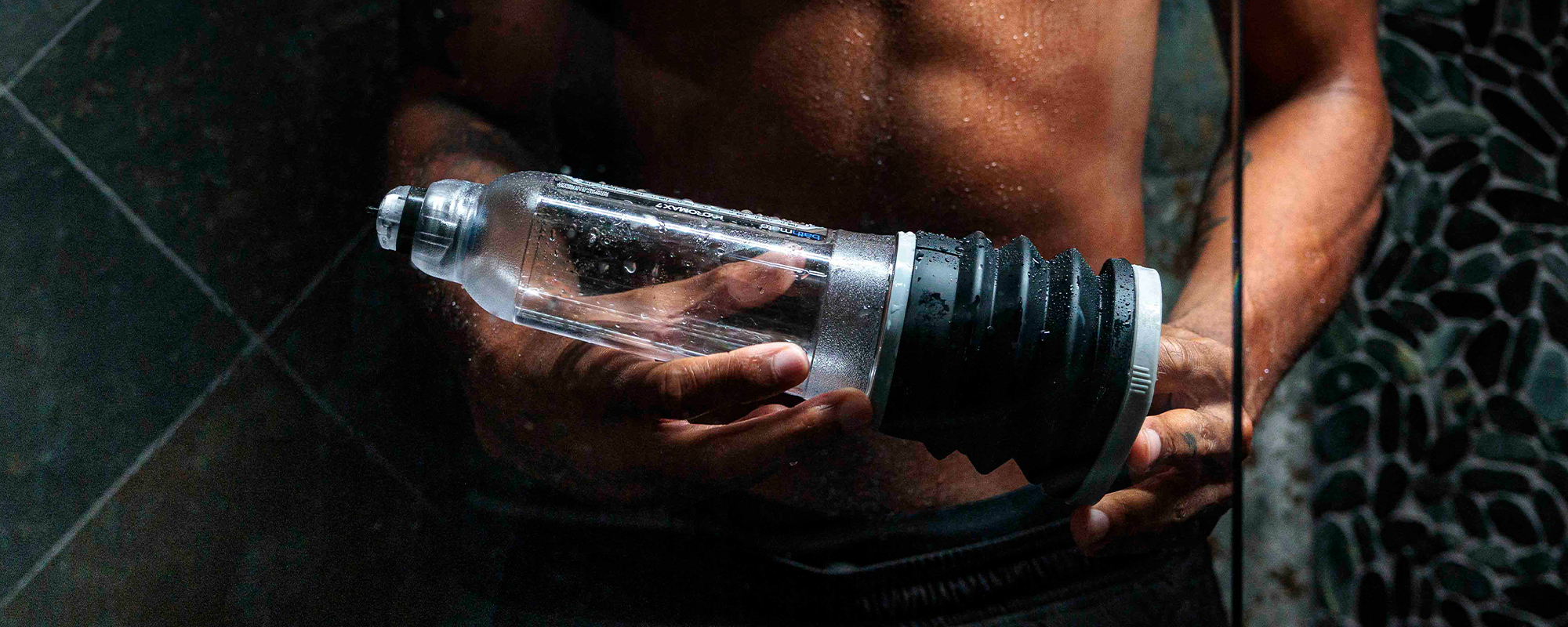
A hydropump like Bathmate works by using gentle water-based vacuum pressure to increase blood flow into erectile tissue. Regular use helps oxygenate the tissue, improve vascular responsiveness, and support fuller erections over time.
In your 40s, this can become part of a larger recovery system focused on consistency rather than quick fixes.
Using Bathmate in warm water for five to ten minutes several times a week can:
- Support blood circulation
- Improve erection fullness
- Increase confidence in physical responsiveness
- Help maintain erectile tissue health
- Reinforce a healthy mind-body connection
What makes the process effective is repetition. Much like strength training or cardio, sexual health improves through regular care.
You may find that incorporating Bathmate into a shower or evening recovery routine helps you reconnect with your body without pressure or shame.
It becomes less about chasing perfection and more about reinforcing responsiveness, circulation, and confidence.
The Reset Is About More Than Sex
Rebuilding sexual performance in your 40s goes beyond erections. It means restoring trust in your body, supporting your nervous system, and improving the habits that fuel energy, circulation, confidence, and connection.
When you consistently take care of your health, your body responds. Erections become more reliable, confidence feels more natural, and intimacy becomes less focused on pressure and more grounded in presence.
The real 40s reset is not becoming who you were at 25. It is becoming stronger, calmer, and more connected to yourself now, one consistent choice at a time.


Hakima Tantrika
Learn MoreHakima Tantrika is a sex educator, intimacy coach, and copywriter who contributes regularly to Bathmate’s blog. Trained in classical Tantra, she helps individuals cultivate deeper self-awareness, authentic connection, and embodied confidence. On Substack, she leads an engaged community where she shares insights on sexuality, relationships, and personal growth, blending education with honest storytelling. Through her clear, thoughtful approach and distinctive voice, Hakima brings depth and integrity to modern conversations about intimacy, pleasure, and self-understanding.
Share:
Helpt het bijhouden van je seksuele prestaties je erecties of remt het je juist?
Hoe een penispomp erectieherstel na een operatie of gezondheidsveranderingen ondersteunt